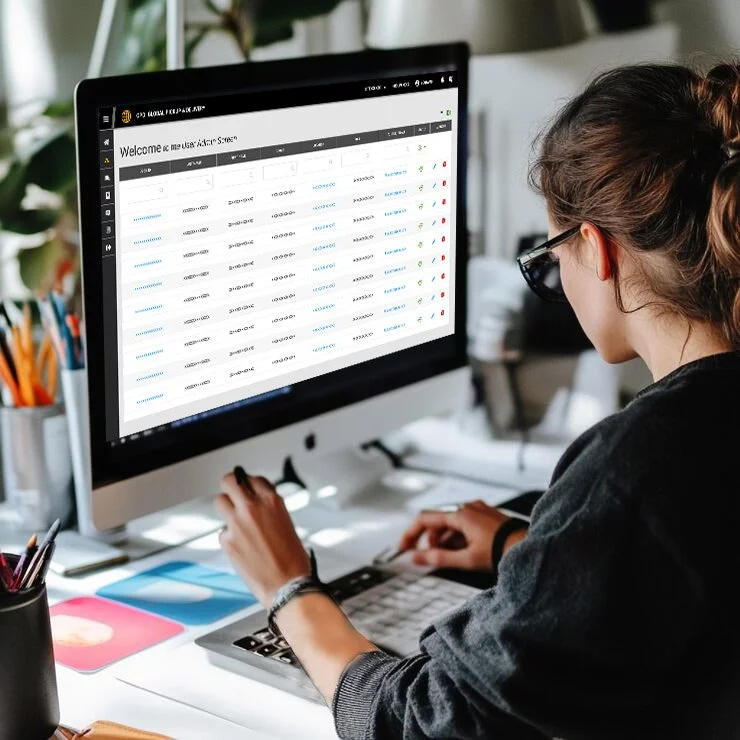
Stage 1: The WHO + WHY?
What is the problem we are trying to solve ?
Who are our users and how will it benefit them, and what is the goal of business impact?
Stage 2: Existing Product Assessment & User Discovery
Is there an existing product or system I can review, and can I speak with current users?
Throughout my experience, I've worked on both replacing legacy products and developing new products through the MVP → Beta → Final Product lifecycle. Understanding the current state of a product and gathering user feedback helps establish a strong foundation for design decisions.
Legacy Product Replacement:
Heuristic Evaluation: Review the existing product to understand current workflows, identify usability issues, uncover gaps in UX standards, and determine opportunities for improvement.
User Observation & Interviews: Observe how users currently interact with the legacy system and discuss their needs, challenges, and expectations for the future product. These conversations help identify opportunities for enhancements and ensure the new solution supports user success.
MVP Development:
Initial Product Evaluation: Review the current MVP to assess its usability, consistency, workflows, and alignment with user needs.
Usability Testing: Conduct testing with users to evaluate whether they understand and can successfully navigate the existing flows, identify pain points, and uncover areas that need refinement before moving toward Beta and the final product.
The goal in both scenarios is to understand where the product stands today, identify opportunities for improvement, and use research and evaluation to guide the next phase of product development.
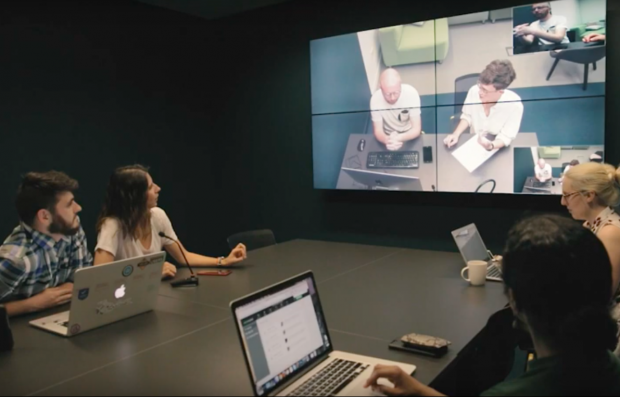
Stage 3: Scope Creation
Based on insights gathered through user observations, interviews, and heuristic evaluations, I collaborate with the Product Manager to define the UX design scope and establish a strategic roadmap.
This process helps prioritize design initiatives, align deliverables with business and user needs, minimize scope creep, and establish realistic timelines—particularly when working within tight deadlines. It also ensures stakeholders, product, and design teams remain aligned on priorities, expectations, and the overall direction moving forward.
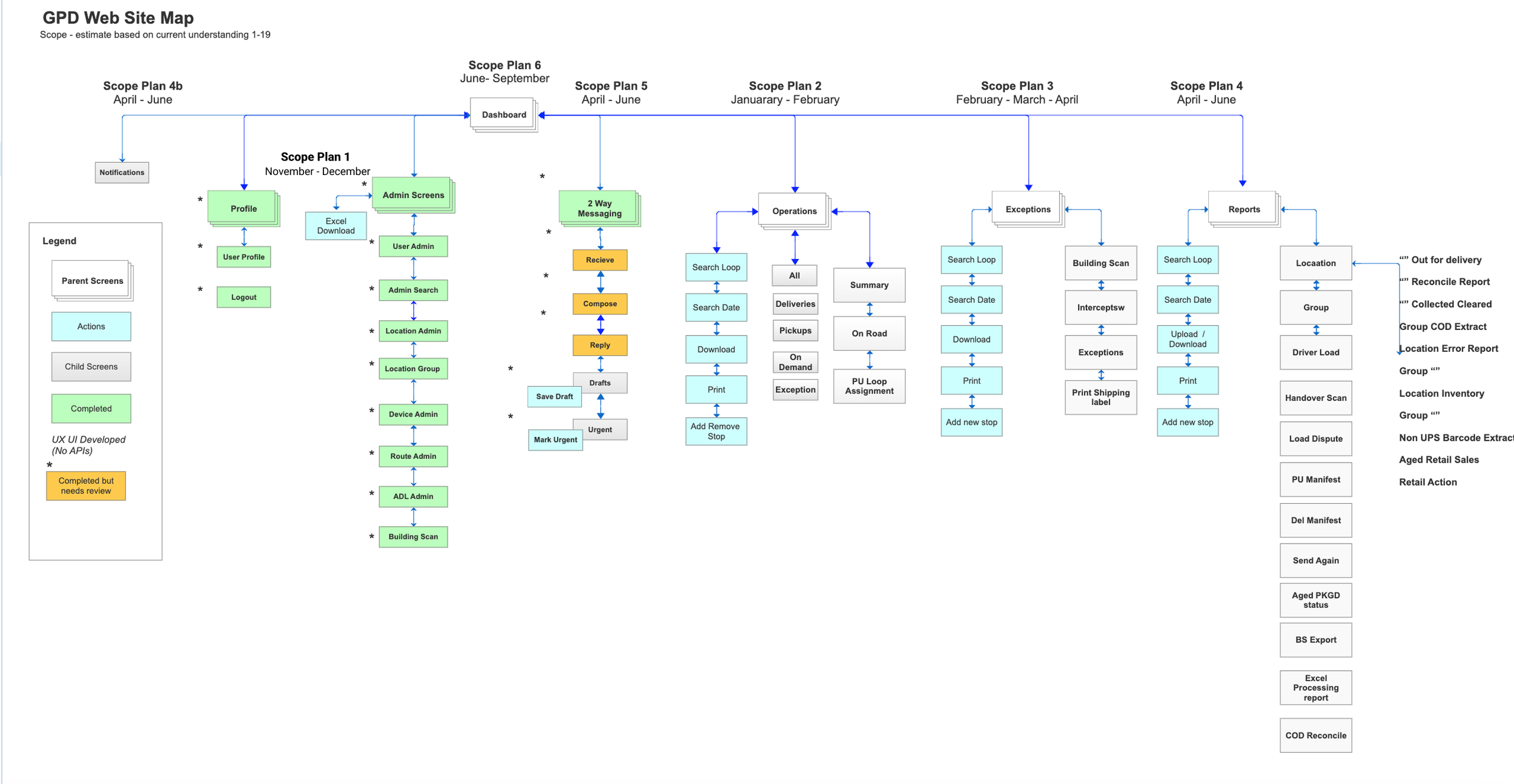
Stage 4: Ideation & Prototyping (Iterative)
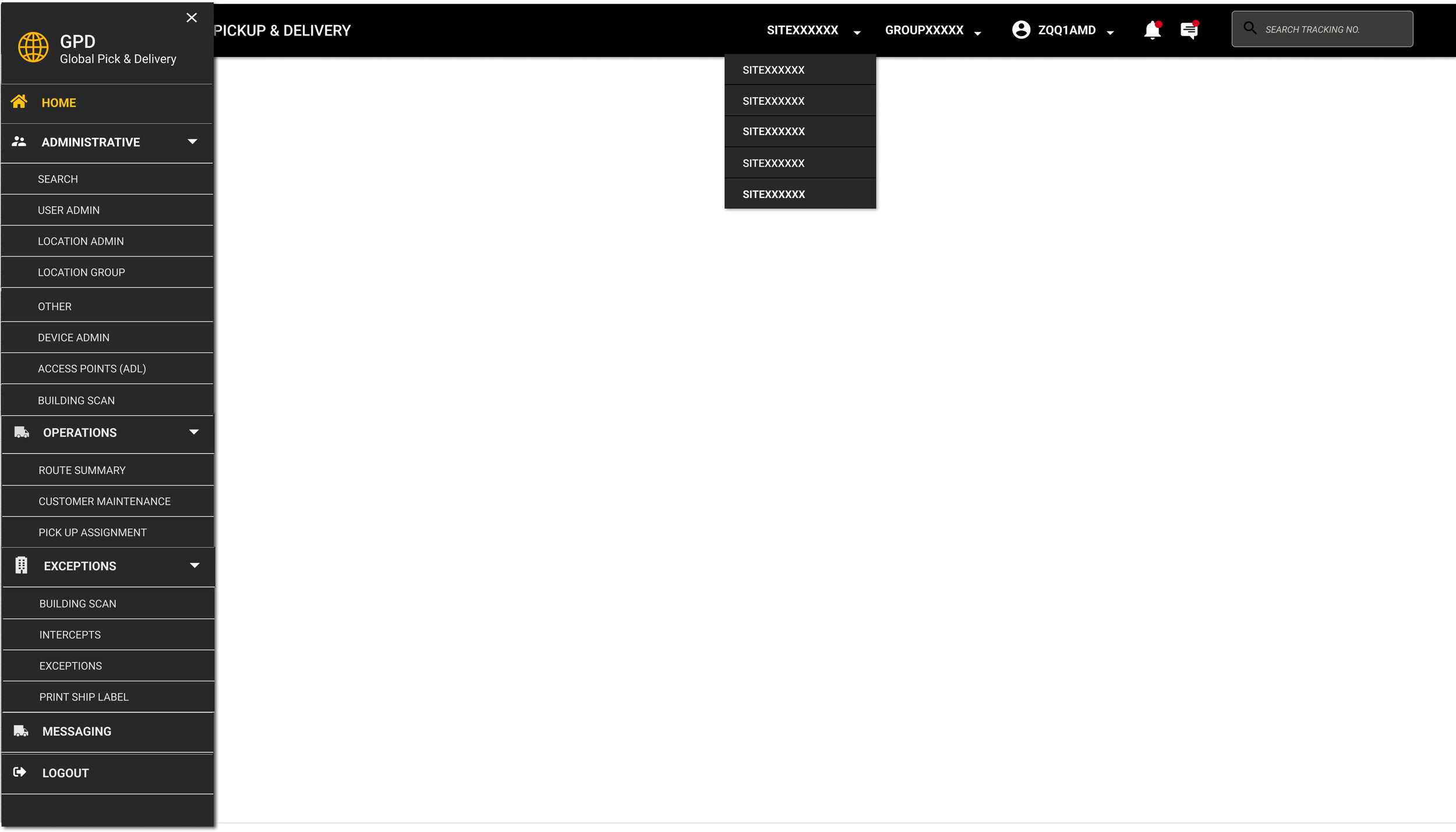
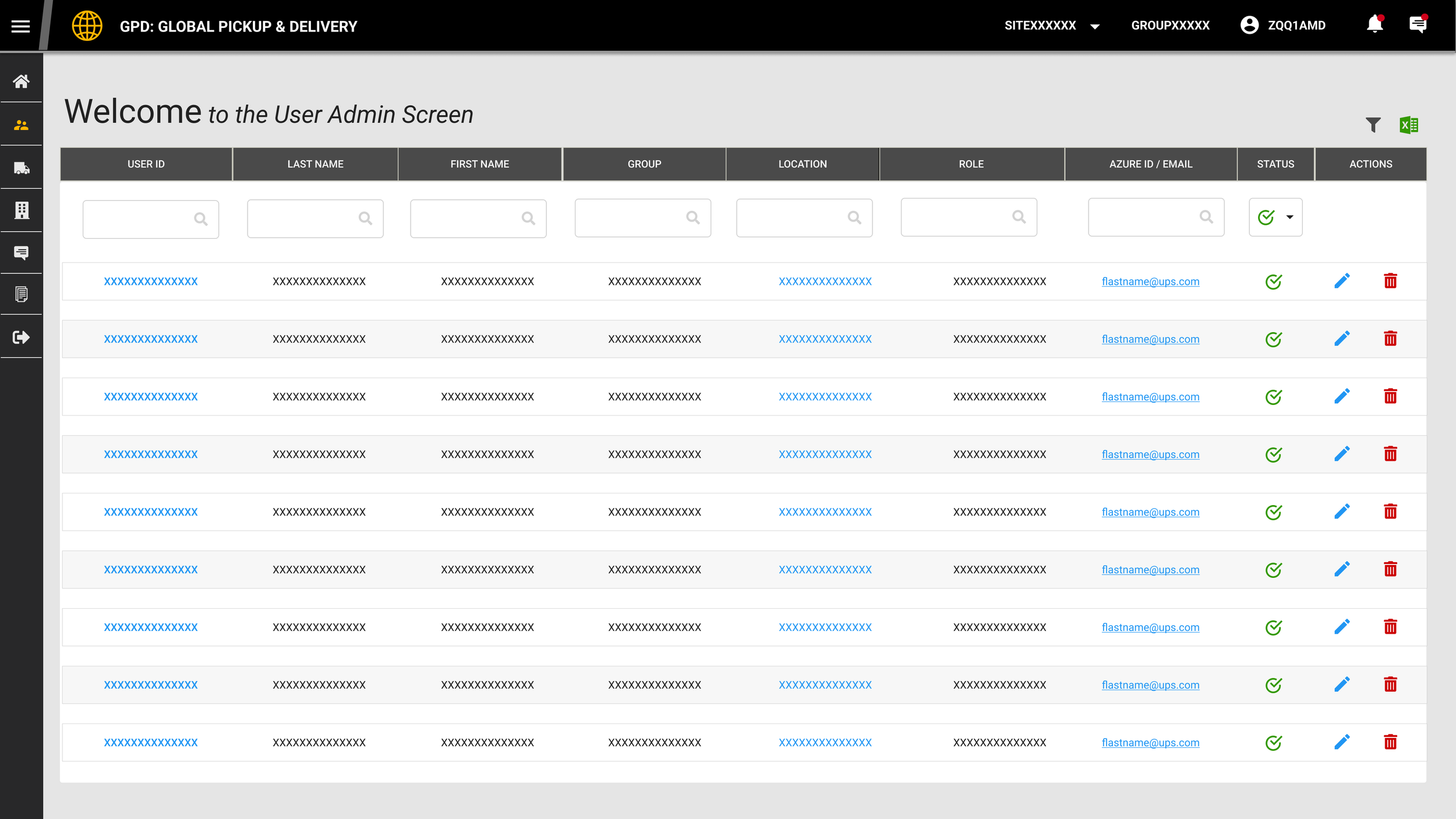
Based on the scope and priorities established with the Product Manager, I begin translating requirements into design concepts, user flows, and interactive prototypes. This is an ongoing, iterative process that evolves through collaboration, feedback, and refinement.
When applicable, particularly during MVP development, I conduct usability testing to validate design decisions, uncover gaps in existing workflows, identify opportunities for improvement, and inform future product enhancements.
I also participate in QA and validation prior to deployment, partnering with development to ensure the product's functionality, usability, and design align with the intended requirements and user experience.
Stage 5: QA Testing (As Needed)
I also participate in QA testing when needed, partnering closely with the QA team to help validate both functionality and design prior to deployment. I find that having a UX Designer involved during this stage can be extremely valuable in identifying potential gaps, ensuring the intended user experience is maintained, and catching usability or design inconsistencies that may otherwise be overlooked. I make myself available on an as-needed basis to collaborate with QA and help ensure the product is meeting both functional and UX expectations before release.